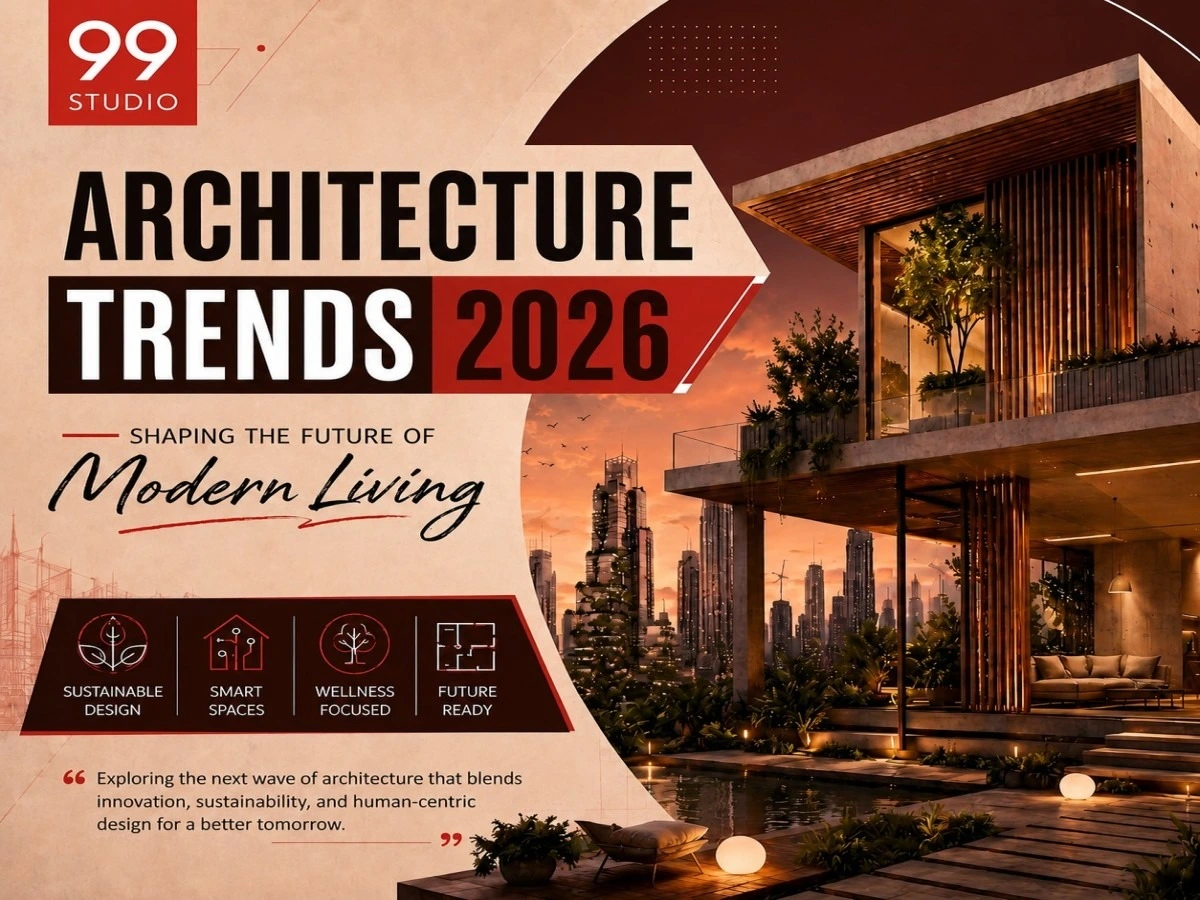







Architecture and urban planning are two deeply connected disciplines that play a crucial role in shaping how people live, work, and interact within the city. While an architect focuses on designing buildings, an urban planner looks at the broader picture—organizing spaces, infrastructure, and communities.
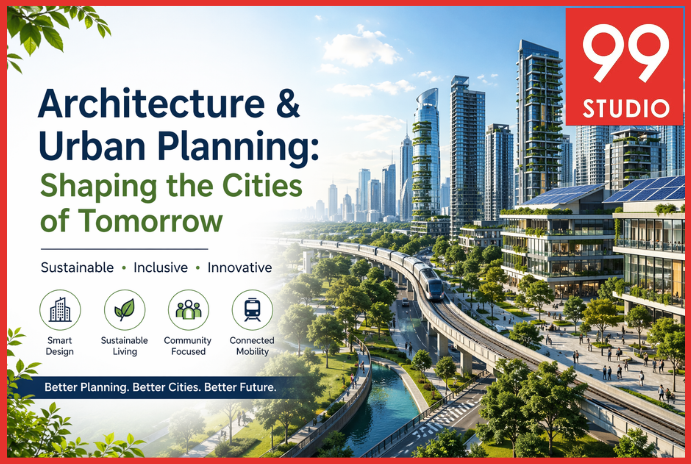
In modern cities, urban planning is no longer just about land distribution. It involves sustainability, mobility, and improving quality of life. The growing population, environmental concerns, and rapid development have made urban design and planning more important than ever.
However, challenges such as congestion, housing shortages, and climate impact continue to push professionals to rethink the role in shaping urban environments.
What is Architecture?
Architecture is both an art and a science that focuses on designing buildings and spaces. An architect is responsible for creating structures that balance form, function, and aesthetics.
Types of Architecture
- Residential architecture – homes and apartments
- Commercial architecture – offices, malls, and business spaces
- Institutional architecture – schools, hospitals, public buildings
- Landscape architecture – outdoor spaces, parks, and open environments
An architect does more than design structures—they influence how people experience space. Their work contributes significantly to the overall urban design and identity of a place.
What is Urban Planning?
Urban planning is the process of designing and organizing land use and infrastructure to ensure efficient and sustainable development. An urban planner works on improving how cities function socially, economically, and environmentally.
Types of Urban Planning
- Strategic planning – long-term city development goals
- Land-use planning – zoning and space allocation
- Transportation planning – mobility and connectivity
- Environmental planning – sustainability and conservation
At its core, urban planning ensures that development happens in a structured way, enhancing both livability and efficiency.
Relationship Between Architecture & Urban Planning
The connection between architecture and urban planning is essential. While architects design individual buildings, planners ensure those buildings fit into a cohesive system.
Buildings influence the structure of a city, but urban planning guides where and how those buildings should exist. For example, planners provide designs for streets, public spaces, and infrastructure that support architectural development.
In planned cities, there is harmony between buildings and infrastructure. In contrast, unplanned growth often leads to congestion and inefficiency, highlighting the importance of urban planning.
Key Principles of Good Urban Design
Effective urban design focuses on creating spaces that are functional, inclusive, and sustainable.
Key Principles:
- Sustainability – reducing environmental impact
- Accessibility and inclusivity – designing for all people
- Mixed land use – combining residential, commercial, and recreational spaces
- Walkability – promoting pedestrian-friendly environments
- Efficient infrastructure – smooth functioning of city systems
- Human-centered design – prioritizing people’s needs
Good urban planning ensures that cities are not just built—but thoughtfully designed.
Modern Trends in Architecture & Urban Planning
The field of urban planning is evolving rapidly with new ideas and technologies.
Emerging Trends:
- Smart cities with integrated technology
- Green buildings and eco-friendly materials
- Transit-oriented development (TOD)
- Adaptive reuse of old buildings
- Vertical urbanism for high-density living
These trends show how architecture and urban planning are adapting to modern needs while focusing on sustainability.
Challenges in Architecture & Urban Planning
Despite advancements, several challenges affect urban planning today:
- Rapid urbanization
- Housing shortages
- Environmental degradation
- Traffic congestion
- Urban sprawl
- Pressure on infrastructure
These issues require innovative solutions from both the architect and the urban planner.
Sustainable Architecture & Urban Planning
Sustainability has become central to urban planning and architecture.
Key Concepts:
- Net-zero buildings
- Renewable energy integration
- Water management systems
- Green spaces in cities
Eco-friendly urban design not only reduces environmental impact but also improves quality of life.
Role of Technology in Modern Urban Development
Technology is transforming how cities are designed and managed.
Innovations Include:
- AI-driven planning tools
- GIS (Geographic Information Systems)
- Smart infrastructure
- Digital twin cities
These tools help an urban planner make data-driven decisions, improving efficiency and accuracy in urban planning.
Future of Architecture & Urban Planning
The future of urban planning lies in creating cities that are resilient, adaptive, and people-focused.
Future Directions:
- Climate-responsive cities
- Resilient infrastructure
- People-first urban spaces
- Integration of nature and urban life
The evolving point of urban development is to create balanced environments that support both human and environmental well-being.
Case Studies / Examples
Planned Cities
- Chandigarh – Known for its grid-based planning and modernist architecture
- Singapore – A global example of efficient urban planning and sustainability
Smart City Initiatives
Cities around the world are adopting smart technologies to improve infrastructure and services.
Sustainable Developments
Modern projects emphasize green design, efficient resource use, and improved living conditions—showing the future of urban planning in action.