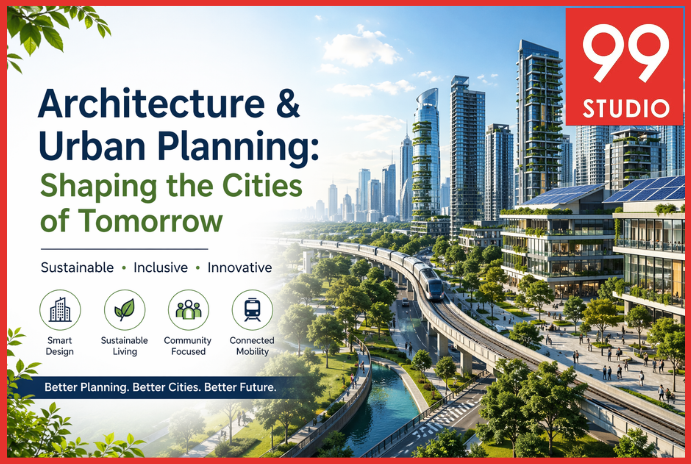




As the trends in Architecture 2026 change the way that people design their environments, the modern trend for architecture now focuses on creating spaces that improve occupant experience through sustainability, comfort, and new smart living options, while offering a visually pleasing and functionally efficient space. The architectural future of 2026 integrates smart technologies, natural materials, and wellness-centered design elements into the way in which humans actually exist.
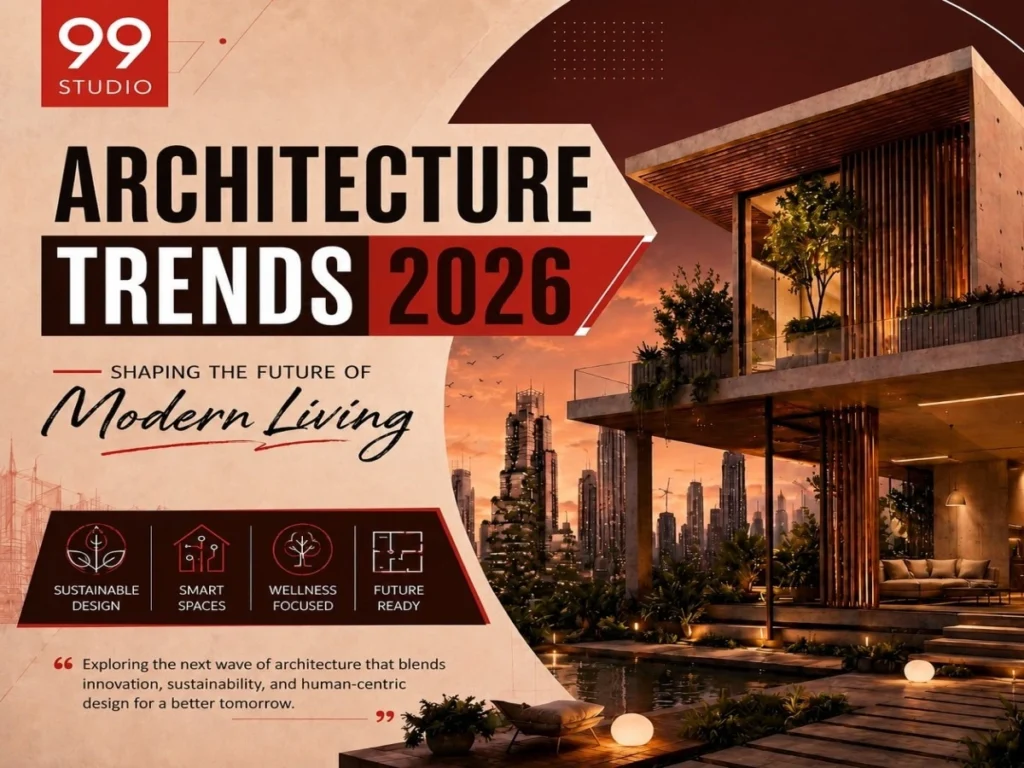
Throughout 2026, the architectural evolution results in the creation of homes and commercial buildings that are more adaptive, less energy-dependent, and more human-centered than ever before. These trends are leading to a more sustainable architecture movement and biophilic design style, as well as smarter building systems and adaptive reuse. these architecture trends are shaping the future of modern living and interior design.
Sustainable Architecture Leads Modern Design
Sustainable architecture commands the industry today. Architects prioritize low-carbon materials plus natural design strategies to slash environmental footprints. That is the reality.
Modern green buildings focus on:
- Energy efficiency
- Better airflow and ventilation
- Reducing waste
- Natural light optimisation
- Sustainable construction methods
Timber, terracotta, and organic materials are becoming standard because they improve sustainability while adding warmth and visual interest to interiors.
Smart Buildings Focus on Human Comfort
The introduction of modern smart buildings has enhanced the comfort, ease of use, and use of energy in your environment. With today’s smart technology, we now have spaces that adjust to our needs throughout our daily lives.
There are several capabilities available in smart homes.
- Control the lighting and ventilation in the home.
- Monitor the air in the home for quality.
- Improve energy usage ability.
- Work to improve the efficiency of workflow.
- Establish improved routine maintenance.
It is now common place to see homes providing residents with information about the monitoring of their home systems.
Biophilic Design Creates Healthier Spaces
Due at least partly to people’s desires for deeper connections to nature, biophilic design continues to be one of the driving forces behind modern architecture. Many designers are using more green plants, natural materials, and warm woods in their designs to help create restorative interiors.
Modern interiors now include:
- Indoor plants
- Large glazing panels
- Natural materials
- Open layouts
- Improved ventilation systems
The above-listed items have the added benefit of improving mental and physical well-being, while also creating finished spaces that provide a calmer and more welcoming environment.
Adaptive Reuse Reshapes Cities
Urban centers demand smarter solutions by 2026. Actually, adaptive reuse breathes new life into neglected shells rather than destroying them for scrap. Old structures survive as functional, modern spaces. Simple.
Adaptive reuse helps:
- Preserve architectural identity
- Lower construction waste
- Support sustainability goals
- Create unique interiors
- Blend old and new design ideas
This approach supports future architecture while maintaining historical value.
Natural Materials Define Interior Trends
The use of natural materials in decor and architecture will continue to dominate the latest design trends in 2026. The use of natural materials in decor and architecture will continue to dominate trends in 2026. Designers are increasingly turning to timber, stone, clay, and other organic materials to create spaces that have a tactile quality and display visual harmony.
Some of the more popular materials being used include:
- Warm woods
- Terracotta finishes
- Sculptural stone textures
- Handcrafted joinery
- Natural textures
These materials help to create spaces that feel more true to themselves, have a calming effect, and are timeless, while also contributing to the development of sustainable architecture.
BIM and Digital Twins Improve Workflow
Through the use of Building Information Modeling (BIM) and digital twins, technology is changing how architecture is created by creating new architectural industry trends. Building Information Modeling helps architects, engineers, and AEC professionals to improve their project planning and coordination.
Using Building Information Modeling tools, teams can:
- Minimize design errors
- Improve workflow efficiency
- Optimize project planning
- Enhance collaboration/communication
- Monitor energy consumption
In addition to helping architects create designs that work better together before construction, digital twins provide a mechanism for architects to monitor a project’s performance after it has been constructed in real-time.
Generative Design Changes Planning
Architectural design and layout planning are being transformed by generative design, which uses AI-based systems to help architects develop better design options that are smarter and more efficient.
The types of benefits generative design offers include:
- Optimizing Layouts
- Improving Energy Efficiency
- Reducing Material Waste
- Simplifying Planning
- Creating Flexible Spaces That Adapt
Since architects today rely heavily on computational tools for their design solutions, there is an increase in the time spent on creative functions, with more focus on sustainable design practices.
AR and VR Create Immersive Experiences
By utilizing immersive project visualizations, both augmented reality (AR) and virtual reality (VR) technologies are changing the way we work with our clients in the field of architecture throughout 2026. Architects can use AR or VR tools to allow clients to visualize their new space before construction occurs.
Every aspect of a project can be enhanced by these technologies, including:
- Design communication
- Material selection
- Understanding layout
- Client collaboration
- Overall project accuracy
Architects will also continue to use immersive systems to improve presentations and decision-making.
Energy Efficiency Shapes Future Living
We will continue to see energy efficiency as a trend affecting new home designs. The architectural profession is now focused on the use of smart glazing, shading, Ventilation Systems, and alternative energy sources.
Today’s new house designs are designed for:
- Improved air flow
- Improved indoor Air Quality
- Use of passive cooling systems
- Maximization of natural light
- Use of sustainable energy
Using these new technologies provides improved comfort levels, & support sustainability goals, and reduces operational expenses.
Contemporary Design Balances Comfort and Minimalism
The 2026 style of contemporary design is a combination of warmness with a minimalist aesthetic that is also functional, but modern interiors today have become much more comfortable and practical than before.
The minimalist style includes many elements in the home, such as:
- Sculptural furniture
- Warm woods
- Flexible layouts
- Tactile textures
- Multifunctional living areas
These trends shaping modern living reflect how people actually live today while improving comfort and functionality.
Conclusion
The trends for architecture in 2026 show that architecture will continue to change to be more sustainable, healthier, easier to use with technology, and adaptable. Architects are focusing on new building design concepts that enhance our daily lives and encourage more environmentally responsible practices and smarter ways to live.
The future of design is all about creating valuable, functional, and aesthetically pleasing environments that suit the needs of modern humans – from sustainable to adaptable to using intelligent building systems and biophilic design.
FAQs:
Architecture Trends 2026 focus on sustainable design, smart buildings, biophilic interiors, adaptive reuse, and energy-efficient modern living spaces.
Sustainable architecture in 2026 helps reduce energy use, improve indoor comfort, and support eco-friendly construction for better long-term living.
Smart technology improves modern architecture through automated lighting, energy management, smart security, and intelligent living environments.
Biophilic design connects interiors with nature using greenery, natural materials, sunlight, and ventilation to create healthier living spaces.
Natural materials like timber, terracotta, stone, glass, and organic finishes are popular in Architecture Trends 2026 for sustainable and modern design.